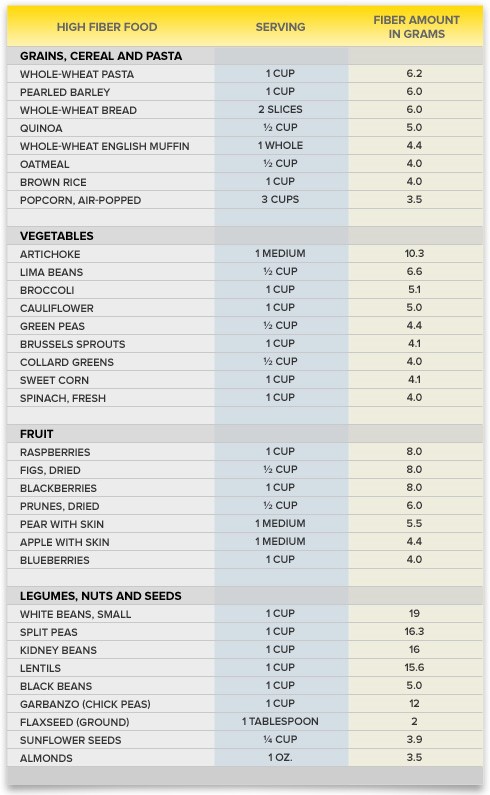
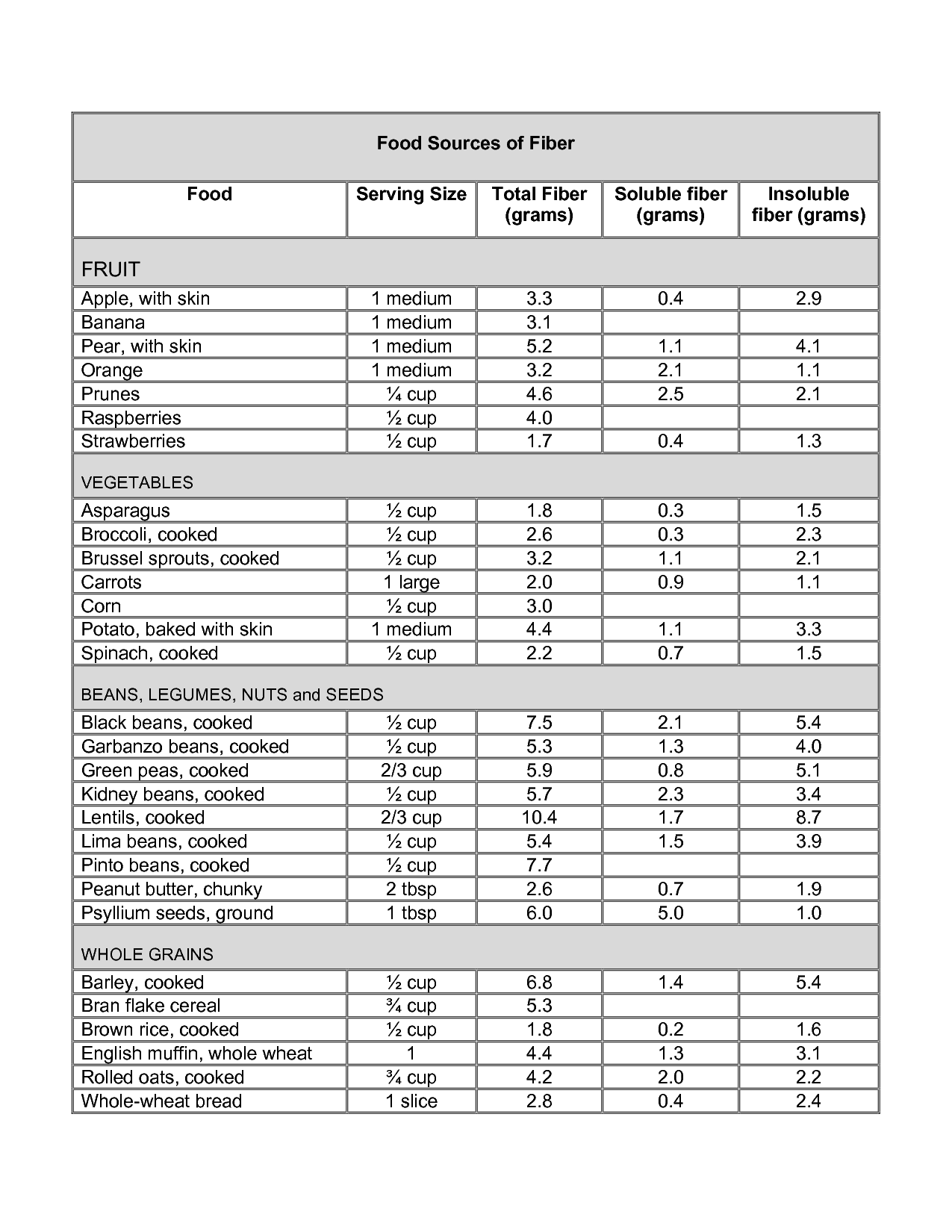
There are a number of food groups and macro and micro- nutrients in our diet. Fiber is an essential part of our nutrition and diet to maintain overall gut and immunity health. If the gut is not healthy it will affect the liver, skin and overall health. There are two types of fiber, soluble and insoluble fiber.
Most foods contain both insoluble and soluble fiber but are usually richer in one type than the other. The easiest way to tell them apart is that soluble fiber absorbs water, turning into a gel-like mush (almost like jelly or cooked oats) and regulates the transit time (the time from which food is eaten and digested until when defecation takes place) while insoluble fiber doesn’t (it just absorbs the water) and causes stool bulking. Therefore, soluble fiber can be used to treat both constipation and diarrhoea. If things are too slow, it helps speed them up and if they are too fast, it helps slow things down.
Insoluble fiber helps keep the intestine healthy in that it causes greater stool bulk to pass through the intestine, strengthening and expanding the intestine wall, helping maintain the elasticity of the intestinal wall.
Both come from plants and are forms of carbohydrate. But unlike other carbs, fiber can’t be broken down and absorbed by your digestive system. Instead, as it moves through your body it slows digestion and makes your stools larger, softer and easier to pass.
Soluble Fiber
Foods rich in this type of fiber include oatmeal, nuts, beans, apples, and blueberries.
The health benefits include:
Heart protection: Inside your digestive system, soluble fiber attaches to cholesterol particles and takes them out of the body, helping to reduce overall cholesterol levels and the risk of heart disease. Oatmeal may offer the most heart protection.
Diabetes protection: Because soluble fiber isn’t well absorbed, it doesn’t contribute to the blood sugar spikes that can put you at risk for type 2 diabetes and heart disease. If you already have diabetes (either type 1 or type 2) soluble fiber can even help keep your condition under control.
Weight loss: Soluble fiber causes a satiety satisfaction sensation, which results in a reduced appetite and therefore reduced consumption of food i.e. calories. Therefore, fiber is used as part of weight management as it causes you to feel fuller for longer.
Healthy bowel movements: Soluble fiber forms a gel in the intestine and helps regulate the intestines bowel action by regulating the transit time. The soluble fiber, slows diarrhoea or speeds up the bowel if you have constipation.
Insoluble Fiber
This is found in the seeds and skins of fruit (so always eat your peels) as well as whole-wheat bread and brown rice.
The health benefits include:
Weight loss:
As mentioned before, our bodies can’t digest fiber, so when the fiber is in the intestine, it causes bile salts to be secreted from the gallbladder.
These bile salts emulsify the fiber, in a similar way that the bile salts will emulsify fats in the intestine. This contributes to the satiety effect and cholesterol lowering effect of fiber, as the body uses cholesterol to manufacture bile salts. The process is much like turning on a tap, helping to use up the body’s surplus cholesterol. Thus, the person will feel fuller for longer and have a reduced appetite.
Digestive health:
Insoluble fiber also helps keeps you regular. If you are inclined get constipated, adding more of it to your diet will help alleviate the problem. Insoluble fiber absorbs water, much like a sponge absorbs water and causes the stools in the lower intestine to bulk up. Therefore, if you increase your intake of insoluble fiber, it is very important that you simultaneously increase your water or fluid intake or it may result in the constipation becoming worse. Insoluble fiber can also improve bowel-related health problems, like haemorrhoids, and faecal incontinence (problems controlling your bowel movements.)
The Fiber Content of Various Foods